Showing posts with label coaching. Show all posts

Leaders Must Learn To Recognize Team Aptitude


We all recognize that success in today’s business environment requires every professional to demonstrate a high EQ. The increasing complexity of the business challenges faced means, as leaders, we are constantly forming and evolving new and different teams.
While being a “team player” has long been a stated corporate value, its meaning has irrevocably changed. Where once it meant being pleasant, helpful and not bucking the status quo, it now requires working effectively on cross-functional, multi-generational, multi-cultural teams tackling ill-defined problems with time sensitive urgency without driving themselves (and others) to burnout.
And as organizations have flattened out, more and more we ask our individual contributors/SME’s to represent their wider functions’ needs and priorities, contribute ideas and proactively solve problems within these complex teams. To do this well requires “leadership grade” EQ and communication skills.
Traditional leadership training typically focuses on the self awareness and communication skills necessary for effective team participation and successful collaboration. These skills, while not nuclear physics, do take years of practice, application and refinement before one can truly claim its fluent application.
Even when hiring into in entry level or promoting into early-career roles, leaders need to look for and reward behaviors which signal “team aptitude” in addition to any technical job competencies. Here are behaviors to look for to help you spot team aptitude:

Shows initiative: she volunteers to learn/try new things where others may step back; she appropriately and considerately offers insightful feedback and opinions

Has a point of view: He can make thoughtful, insight-driven recommendations and, where possible, makes an effort to solicit and apply the input of others

Confidently asks for help: She is aware when there are things she doesn’t know and is confident enough to seek out and ask for help and guidance.

Reminds you of Pooh (not Eeyore): there just isn’t a better way to describe how to recognize this. Pooh’s are forward thinking, taking responsibility when things go wrong and focused on the go-forward while maintaining a positive attitude in times of stress and setbacks. People who are Pooh’s help keep teams motivated and productive while Eeyore’s “woe is me” attitude may permeate the team and cripple them

Able to build on ideas: She is able to listen to and “riff” of another’s idea in order to make it better or move its execution forward.

Recognizes strengths in others: He shows a genuine interest in others, even those he may not work closely with. He proactively seeks out to learn from subject matter experts on topics within and beyond his job description


Team dynamics are an important part of today’s work environment. Leaders who are able to identify behaviors which display “team aptitude” will be more effective in developing and coaching their teams.

Empathy in the Workplace - What Does it Look Like?


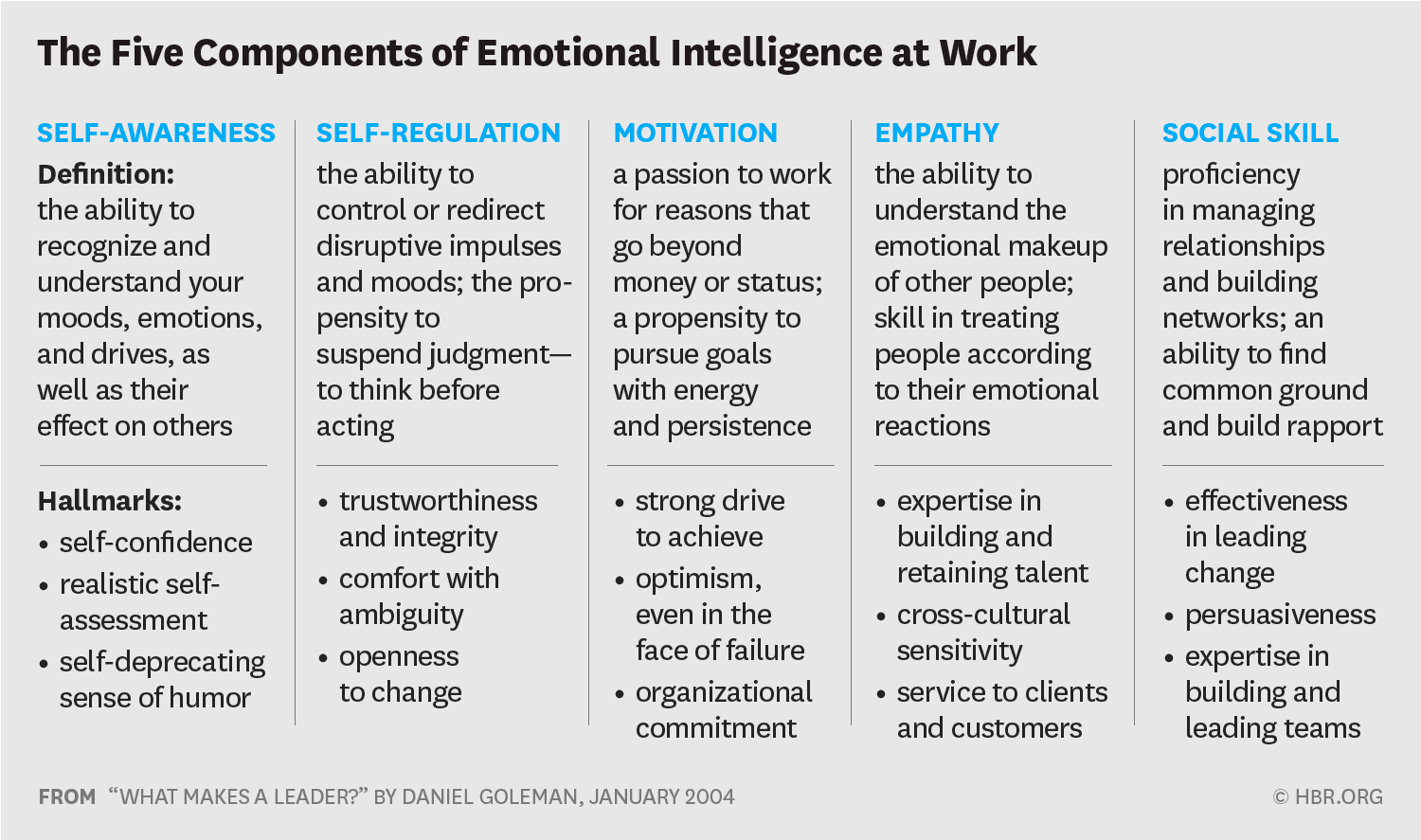
Over the years there's been a lot written about the need for leaders to have a high EQ  or emotional intelligence quotient. Harvard Business Review’s, “What Makes a Leader” outlines the 5 components of EQ at work as self-awareness, self-regulation, motivation, social skills and empathy.

EQ becomes more critical as your responsibilities expand beyond an individual contributor. Your work becomes the activities and tasks that motivate and influence the people who directly report to you and the wide map of stakeholders across and above you in the organization. Your work becomes far more about people and relationships than the black and white execution of any one work output.

In my experience, out of all of the EQ components, empathy tends to be the most misunderstood and, therefore, underutilized component. That is too bad, because empathy is the most easily coached and it’s easier to model empathetic behavior compared with developing the other components.

What does empathy look like in the workplace?
Empathy is defined as accurately perceiving and understanding another person’s emotional state and responding accordingly. Sometimes, people view empathy as primarily relating to understanding when people feel sad (closer to sympathy). When, in fact, empathy involves the whole range of emotions. And remember, people do have the whole range of feelings at work. Understanding that someone may be feeling angry, vulnerable, proud, protective, nervous, happy etc can be invaluable to you as you consider how to best communicate with them.

Just taking a moment to consider, “if I were so-and-so, how might this make me feel? Has this happened to me? How did I feel? why? Has this happened to someone I know, love or respect? how did they feel?” helps to build empathy and can create a better outcome.

In my article on demonstrating empathy when leading through an organizational change, I shared the many different feelings teams may feel when they hear the news about a change,

“...people would likely feel surprised and potentially confused. They may feel nervous about being asked to transition away from the work they know into new activities with new bosses. They may feel angry about an organizational change happening “to” them outside of their control. They may feel disappointed about having to transition projects they enjoyed and pick up ones they don’t feel as enthusiastic about. They may feel all of these things at once or none of them at all…”

Any reasonably self aware leader can recall being a similar situation themselves earlier in their career (maybe even that day!). By taking a quick inventory of the potential emotional states the other person/people may be in, s/he is better prepared going into the conversation and more likely to come out with a better long term result.

Taking a moment to consider how another person may be feeling - demonstrating empathy -  is beneficial even when the situation isn’t as obviously fraught like an organizational change. In status meetings where there are inter-dependent teams there will be times conflict will erupt seemingly out of nowhere. If the leader has considered how the different parties may be feeling he can actively bring that to the discussion and model what empathy looks like for group. For instance, 

“Sally, you’re obviously frustrated that the commit is delayed and this is the first you’re hearing about it. Richard, would you please fill Sally in around why that was in the best interest of the project overall as she may not be aware yet of what changed in Design just yesterday.” 

A comment from the leader like this validates how Sally is feeling and reminds her to consider Richard's situation. It also coaches Richard to proactively think about how his stakeholders may react to updates and think through how to best communicate them.

Empathy is coachable
In any communication it’s not about what you want to say, it’s about what the other person needs to hear. Having empathy for the other person helps you to best communicate, motivate and influence. Empathy involves just a moment of prep actively considering the other person’s situation and how they may feel. This is a behavior that can be taught and practiced as a means to improve a promising leader’s EQ.